Medical Staff Vector Clipart Set
A Designer’s First Look: Clean, Calm, and Purposefully Minimal
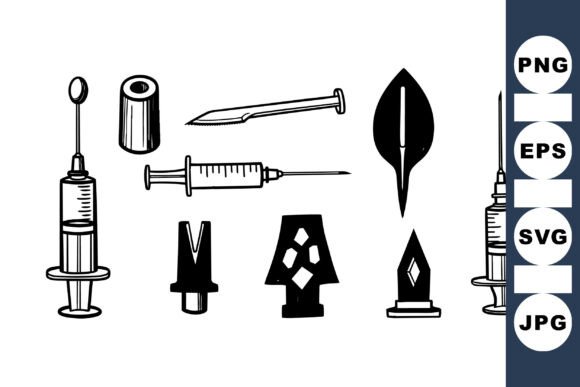
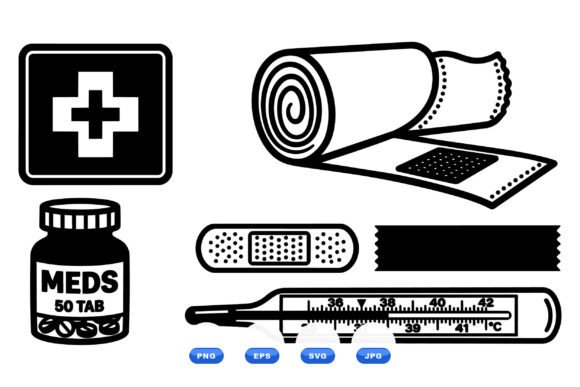
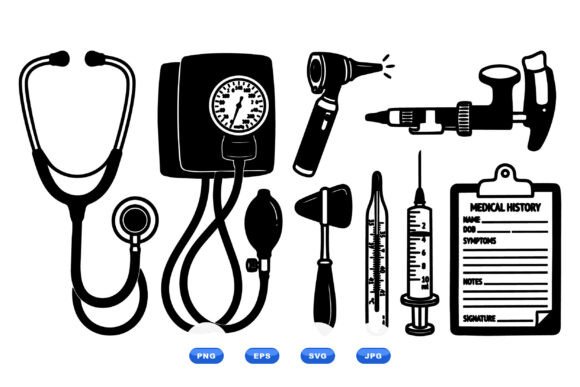
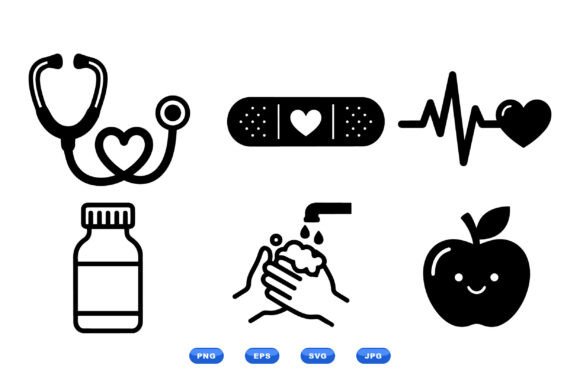
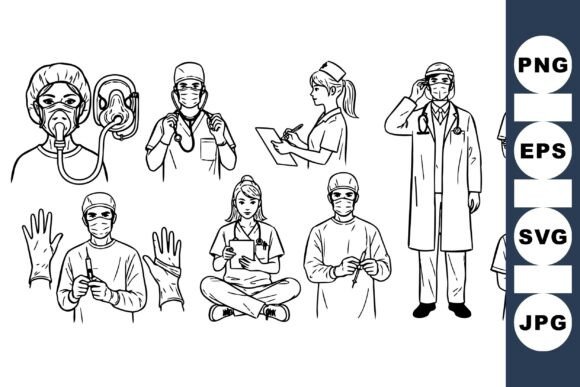
Opening the Medical Staff Vector Clipart Set, I immediately notice its quiet confidence. These aren’t cartoonish or overly stylized figures — they’re grounded, respectful black-and-white line art of doctors and nurses in masks, gloves, and clinical gear, posed with intention. The strokes are consistent, the negative space is generous, and every tool — stethoscope, syringe, clipboard — reads clearly without clutter. As an embroidery designer who’s stitched everything from whimsical florals to dense monograms, I appreciate how this set avoids visual noise. It feels like a breath of calm in a category often overloaded with busy details — exactly what you want when translating vector art into stitchable embroidery.
Real Project Test: Embroidering a Nurse-Themed Tote for a Local Clinic Gift Shop
Last week, I prepped a custom embroidered tote bag for a neighborhood clinic’s staff appreciation day — cotton canvas, medium-weight, 6” x 8” hoop. I pulled one of the nurse poses from the Medical Staff Vector Clipart Set and ran it through my digitizing workflow. What stood out was how naturally the lines translated: clean curves held up beautifully in satin stitch, glove contours stayed legible at 3.5”, and the mask’s subtle fold detail didn’t vanish under thread. Customers noticed — not because it shouted, but because it felt *considered*. That matters. A handmade product isn’t just about execution; it’s about quiet professionalism that aligns with the wearer’s identity. This set delivers that tone without needing embellishment.
Where It Shines (and Where It Needs Thought)
The Medical Staff Vector Clipart Set works especially well for:
- Custom apparel — sweatshirts, crewnecks, and lightweight jackets where clean line art reads clearly even at modest sizes;
- Embroidered patches — the bold outlines and open shapes digitize cleanly into satin-stitched borders and minimal fill areas;
- Baby embroidery — gentle, non-distracting imagery for onesies or burp cloths (just avoid tiny tool details on newborn-sized items);
- Tote bag design and kitchen towel applications — the balanced composition holds visual weight without overwhelming fabric texture;
- Printable mockups and digital product previews — SVG/EPS files scale flawlessly for Etsy listings or client presentations.
But real-world stitching means real constraints. Use caution on:
- Small hoop sizes (<5”) — some poses include fine instrument details that may lose clarity below 2.75”;
- Textured or stretchy fabric — like terry cloth towels or ribbed knit caps — where tight line work can blur without proper stabilizer;
- Dark fabric — since the original art is black-and-white line art, contrast depends entirely on your thread choice; test white or light heather thread on navy canvas before committing;
- Curved surfaces — think baseball caps or curved pillow covers — simplify or reposition elements like stethoscopes to avoid distortion;
- Frequent-wash items — like baby clothes or nursing aprons — ensure your digitized version uses moderate stitch density to prevent stiffness or thread wear over time.
What It Adds to Your Finished Product — Beyond Just Looks
This isn’t just another clipart download. Used thoughtfully, the Medical Staff Vector Clipart Set elevates perceived value. On an Etsy listing for personalized scrubs, it signals care and specificity — not generic “health” symbolism. For a boutique selling handmade nursery decor, it adds quiet warmth without infantilizing the profession. And for craft fair customers buying embroidered kitchen towels? It sparks recognition and conversation — “Oh, my sister’s a nurse!” — which builds emotional connection far more than decorative flourishes ever could.
It also supports brand consistency. Whether you’re a solo embroiderer building a cohesive portfolio or a small shop curating themed collections (e.g., “Caregiver Collection”), this set offers stylistic unity across products — no jarring shifts in line weight or proportion between doctor and nurse motifs.
Practical Notes Every Embroidery Designer Should Run Through
Before digitizing or stitching:
- Test on scrap fabric first — especially if using textured cotton, linen blends, or performance knits;
- Review thread color contrast — black thread on black fabric won’t read; try charcoal gray or off-white for subtlety;
- Check stitch density in your digitized version — avoid overloading small tool shapes with dense fill stitches;
- Confirm hoop size compatibility — some full-body poses may need trimming or repositioning for standard hoops;
- Inspect small details — like glove stitching or mask ear loops — they’re charming in vector form but may require simplification for reliable embroidery;
- Test in black-and-white mockups — helps anticipate how contrast plays on light vs. dark backgrounds;
- Use appropriate stabilizer — cutaway for knits, tear-away for stable wovens, and consider topping for napped fabrics;
- Verify licensing terms — this is a Graphics product intended for Crafts use, so confirm whether commercial resale of finished embroidered items is permitted before listing on Etsy or supplying to local shops.
Final Thought: A Thoughtful Tool, Not a Trendy Gimmick
The Medical Staff Vector Clipart Set doesn’t chase trends. It meets a real need — for dignified, adaptable, stitch-ready design that honors healthcare workers without cliché. It fits seamlessly into a craft business workflow, whether you’re creating holiday embroidery for frontline staff gifts, building a digital embroidery file bundle for fellow designers, or developing a signature line of embroidered aprons for medical offices. It’s the kind of asset that earns repeat use — not because it’s flashy, but because it’s dependable, respectful, and quietly effective. In a world of noisy clipart, that’s rare. And valuable.